
Last updated: 18 October 2026
If you want to open the best savings account in the UK, there are plenty of types to choose from. Fixed-rate bonds, easy access accounts, regular savers, notice accounts and cash ISAs all offer something different.
This guide explains how to choose the right account for your goals, how savings interest is taxed in 2026/27, and the ISA changes coming in April 2027.
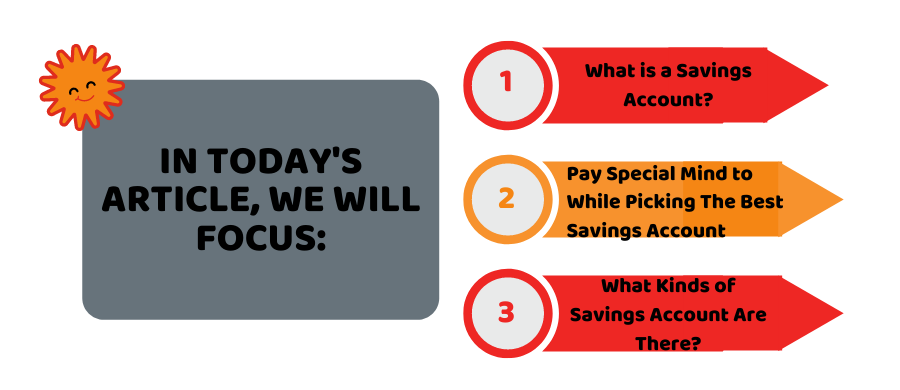
In this article, we cover:
- What is a Savings Account?
- What to Look For When Choosing the Best Savings Account
- What Kinds of Savings Account Are There?
- How Savings Interest Is Taxed

What is a Savings Account?
A savings account is somewhere to keep money you do not need day to day and earn interest on it. Unlike a current account, you will not usually need to access it often.
Some savings accounts lock your money away for a set period in return for a fixed interest rate. These usually pay more than easy access accounts, which let you withdraw whenever you like but tend to have lower, variable rates.
Choosing the Best Savings Account
The best savings account for you depends on your finances, your savings goals and how quickly you might need the money.
Whatever you choose, review it regularly. Rates change often, and many accounts drop their rate after the first year, so it pays to shop around. Be careful about withdrawing from a fixed-rate account before it ends, as you may have to pay a penalty or lose interest.
You can hold several savings accounts at the same time. This suits people who can lock some money away but also want an easy access pot for emergencies or to save small amounts regularly.
Check that your provider is covered by the Financial Services Compensation Scheme (FSCS). Since 1 December 2025, FSCS protects up to £120,000 per person per banking licence. Some brands share a licence, so the limit covers them together.
Minimum Deposit Requirements
Minimum deposits range from £1 to £1,000 or more. If you do not pay in the minimum straight away, you may miss out on the advertised rate, so check the account’s requirements before you apply.
Withdrawal Limits
Some accounts only allow a limited number of withdrawals each year. If you go over the limit, you could pay a charge or get a lower interest rate. Always check this before you apply.
Introductory Rates May Expire
Some accounts include a bonus rate for the first year or so. When it ends, compare the account with others and move your money if it is no longer competitive.
Some providers offer a better rate if you reinvest with them when a fixed term ends, but you should still compare it with other rates.
If you do not want to keep switching, an account with a slightly lower but steadier rate may suit you better.
Types of Savings Accounts
Here are the main types of savings account:
Fixed-rate Savings Accounts:
Fixed-rate savings accounts, or fixed-rate bonds, pay a set rate of interest for a fixed period, usually from six months to five years. You know exactly what you will earn, but you usually cannot withdraw until the term ends.
They often require a minimum deposit and do not allow further payments in. They suit people with a lump sum they will not need for a while.
Easy Access Accounts:
Easy access accounts let you withdraw money whenever you like without a penalty. Rates are variable and can fall at any time, so keep an eye on them.
If you are likely to need regular access to your money, check the terms carefully, as some accounts limit withdrawals.
Regular Savings Accounts:
Regular savings accounts can pay some of the highest rates, but usually only for a fixed period, often a year, and on limited monthly amounts.
They are often linked to a current account with the same provider, and you usually need to pay in a minimum amount each month, for example £25 to £500.
If you miss a monthly payment or make a withdrawal (where this is allowed at all), you could lose the special rate.
Notice Accounts:
Notice accounts pay a higher rate than easy access accounts in return for giving notice, for example 30, 60 or 90 days, before you withdraw.
ISAs:
ISAs are a great way to save tax, because interest, dividends and gains inside an ISA are tax-free. For 2026/27, each adult can pay in up to £20,000 a year across all their ISAs, and up to £9,000 a year can go into a Junior ISA for a child. A Lifetime ISA (up to £4,000 a year, within the £20,000) adds a 25% government bonus for first homes or retirement.
From 6 April 2027, people under 65 will only be able to put up to £12,000 a year into cash ISAs. The overall £20,000 limit stays the same, so the rest can go into stocks and shares ISAs. Savers aged 65 and over can still put the full £20,000 into cash ISAs.
Many ISAs are not ‘flexible’, which means money you withdraw cannot be put back without using up more of your allowance. Flexible ISAs let you take money out and replace it in the same tax year. Check the terms of each ISA to make sure it does what you need.
As with all savings, look for the best rates available and check each year that you are still getting a good deal.
You can transfer an ISA to another provider without losing its tax-free status, as long as you use the official transfer process rather than withdrawing the money yourself. Do not let your ISA savings sit in a poor-paying account.
Stocks and shares ISAs can deliver higher long-term returns than cash, but the value can fall as well as rise. Innovative finance ISAs, which lend money through peer-to-peer platforms, also put your capital at risk and are not FSCS protected.
How Savings Interest Is Taxed
Outside an ISA, savings interest is taxable, but most people pay little or no tax on it thanks to these allowances for 2026/27:
- Personal savings allowance: £1,000 of interest tax-free for basic rate taxpayers, £500 for higher rate taxpayers and nothing for additional rate taxpayers.
- Starting rate for savings: up to £5,000 of interest tax-free if your other income is £12,570 or less. It falls by £1 for every £1 of other income above that, and disappears at £17,570.
Interest above these allowances is taxed at 20%, 40% or 45% in 2026/27. From 6 April 2027, savings income will be taxed at higher rates of 22%, 42% and 47%, which makes ISAs even more valuable.
How to Open a Savings Account
As with other financial accounts, there are several ways to open a savings account. Most can be opened online, by phone or in a branch, and some can be set up in a banking app.
Requirements to Open a Savings Account
The provider will tell you what you need to open the account. It is often quickest to open one online, especially with a provider you already bank with.
Usually, you will need proof of identity and address, your National Insurance number for an ISA, and possibly an initial deposit.

Conclusion:
When you open a fixed-rate or bonus-rate savings account, set a reminder for when the rate ends. If there is no end date, set a reminder to review it once a year.
Use your ISA allowance first if you are likely to pay tax on your savings, especially before the cash ISA limit falls in April 2027. Then shop around regularly, because once a deal ends your money will often move to a much lower standard rate.
Disclaimer: This article provides general information on how to choose the best savings account in the UK and does not replace financial advice.
